
D'Amaro's Disney Priorities: Great Storytelling and Creative Excellence


As Josh D’Amaro stepped into his role as CEO of The Walt Disney Company, he shared a letter with employees and cast members outlining three key priorities for the organization. In this series, we’ll explore each of those pillars, where they stand today, and what they could mean for Disney’s future. We begin with the first priority: “Great Storytelling and Creative Excellence.”
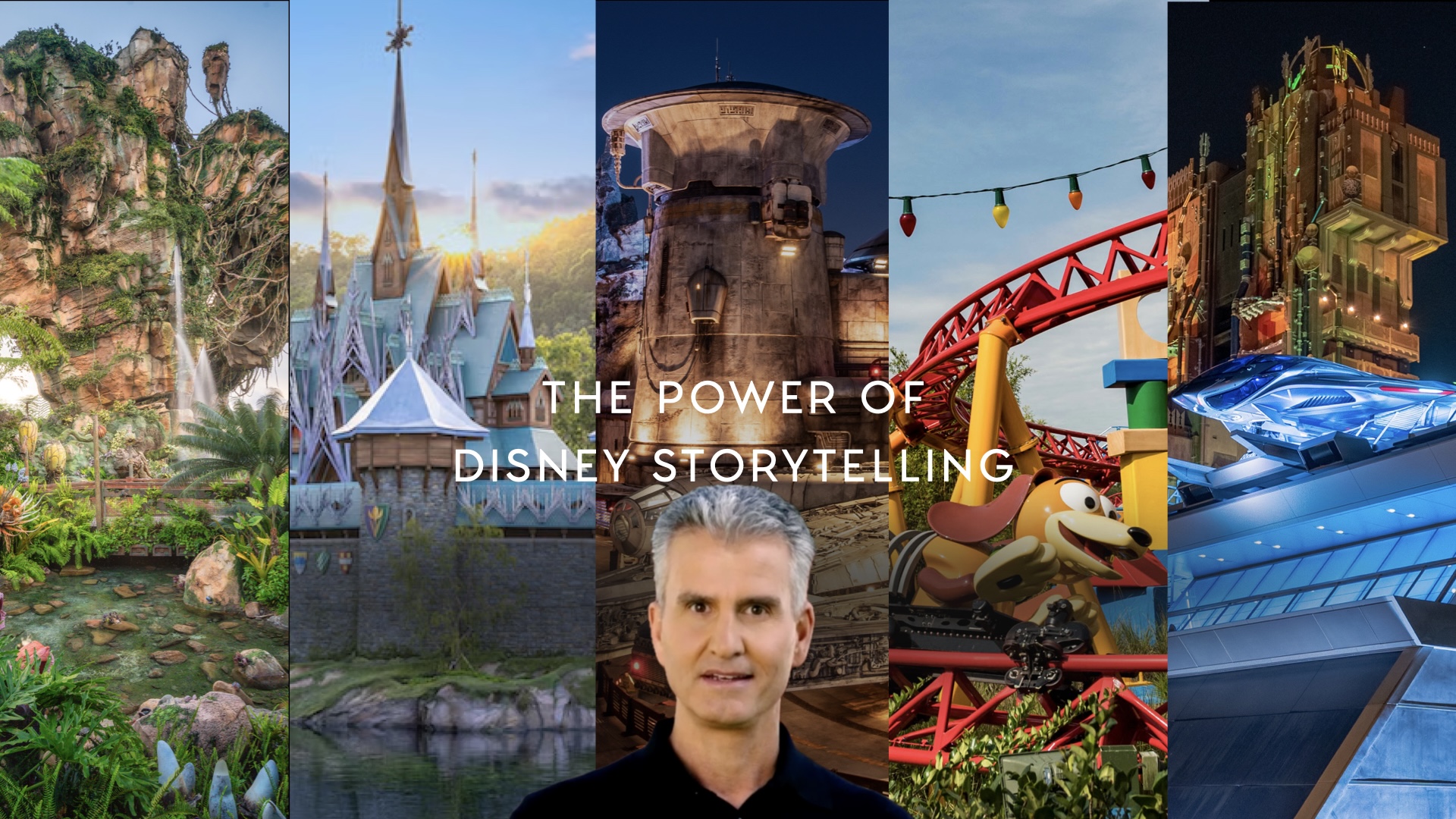
This focus is hardly new. It echoes Bob Iger’s emphasis on “creativity,” and more broadly, reflects a principle that dates back to Walt Disney himself, who famously centered the company’s org chart around story. Creativity has always been Disney’s north star. The question now is not whether it matters, but how it evolves.
During his tenure, Bob Iger reinforced this priority largely through acquisition. Pixar reinvigorated Walt Disney Animation Studios, while Marvel and Lucasfilm brought not only valuable intellectual property but also world-class creative talent into the fold. D’Amaro, however, appears poised to approach this challenge differently.
Another major acquisition does not seem to be on the horizon. Frankly, Disney already faces the challenge of fully leveraging the franchises it owns. The opportunity now lies in maximizing and revitalizing what’s already in-house. That puts increased importance on creative leadership and the delicate balance between artistic freedom and strategic direction, a balance D’Amaro and Dana Walden will need to carefully manage.
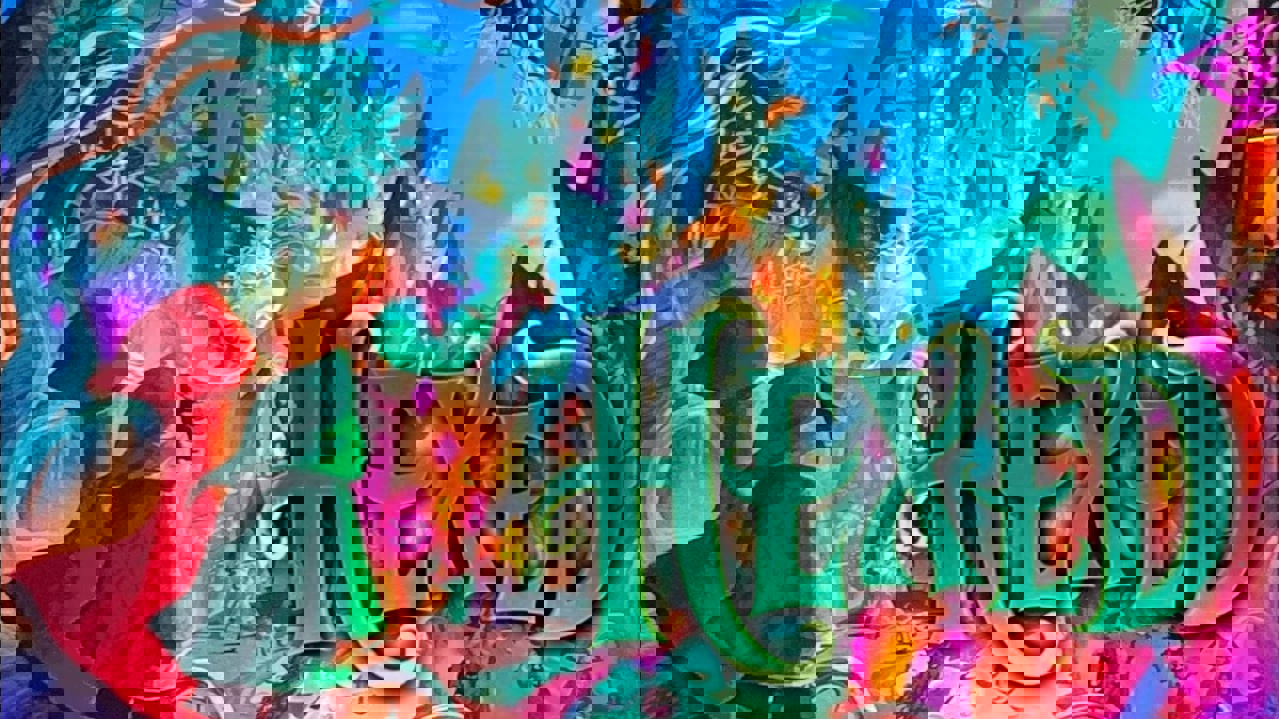
Several key studios are already in transition. At Walt Disney Animation Studios, Jared Bush arrives with momentum following Zootopia 2. However, this fall’s Hexed will be a more telling indicator of whether the studio can once again generate new franchises rather than relying primarily on sequels like Frozen, Moana, and Zootopia.
At Lucasfilm, Dave Filoni and Lynwen Brennan take the reins at a pivotal moment. While both are deeply experienced within the organization, they inherit a studio that has struggled with a reputation for stalled and abandoned projects. Their challenge will be to keep Star Wars creatively vibrant while navigating one of the most passionate and exacting fanbases in entertainment.
Disney’s live-action division presents another opportunity. Once a source of original and enduring stories, the slate in recent years has leaned heavily on live-action adaptations of animated classics. With Daria Cercek now leading the theatrical effort, there is an opening to reestablish live-action as a driver of original storytelling, even as the theatrical landscape continues to evolve.
At Pixar, Pete Docter appears to be guiding the studio toward broader, more commercially accessible concepts, as seen with Hoppers. The balance between original storytelling and sequels will continue, but the key question is whether Pixar can once again become synonymous with launching entirely new IP that resonates culturally. The next few releases will be critical in defining that trajectory.
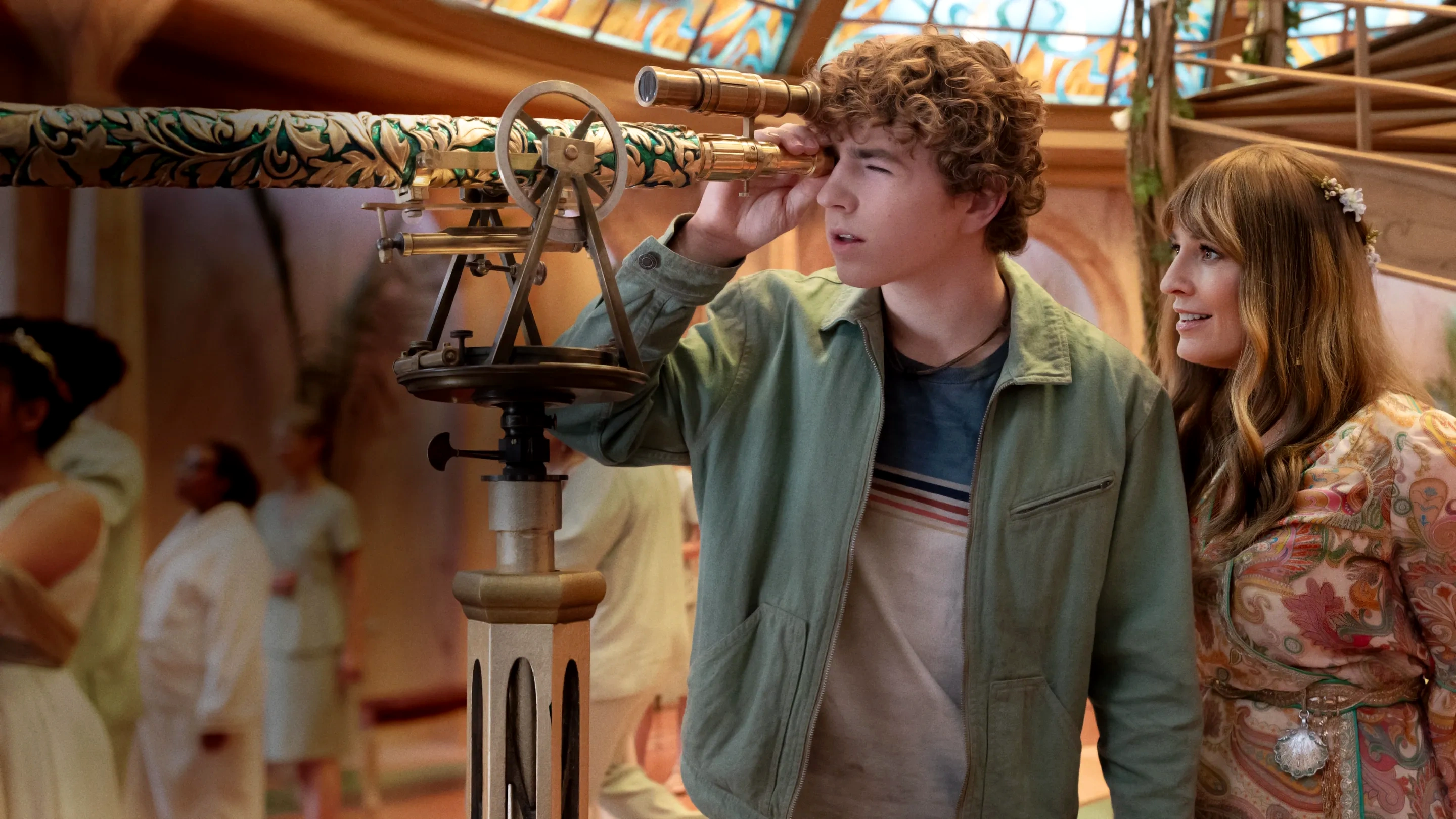
On the television side, Disney has found encouraging signs with series like Paradise, Love Story, and Percy Jackson and the Olympians. Sustaining success in television remains one of the industry’s most difficult challenges, requiring a constant pipeline of fresh, compelling stories in an increasingly fragmented media landscape.
Storytelling is not limited to screens. Within Disney Experiences, D’Amaro previously brought back Bruce Vaughn to lead Walt Disney Imagineering, reinforcing the importance of creative leadership in the parks. While the long development timelines of theme park projects make immediate impact difficult to measure, the intent is clear: place storytelling back at the center of the guest experience.
One of the most tangible early signals of D’Amaro’s approach may be the restructuring of Disney Games. Moving the division from Consumer Products to report under Chief Creative Officer Dana Walden reflects a philosophical shift; games are no longer just an extension of existing IP, but a storytelling platform in their own right.
As Disney Games and Digital Entertainment head Sean Shoptaw explained at SXSW, the company has moved away from simple retellings of films that primarily served marketing goals. Instead, Disney is investing in original stories designed specifically for interactive experiences, often in collaboration with top-tier game developers. While details remain limited, the partnership with Epic Games suggests ambitions that extend far beyond distribution into the creation of a new, interactive storytelling ecosystem.
Across all of these areas, D’Amaro has articulated a clear goal: to “continue to raise the bar, take smart risks, learn quickly, and deliver work that exceeds our audiences’ expectations and our own.”
It is not a revolutionary statement, but it is an essential one. Disney has always thrived when creativity leads. The real challenge is execution.
And that, ultimately, will define this era.
Because while it is easy to say that storytelling comes first, Disney’s history shows that it is far harder to consistently deliver on that promise. As fans, we now watch to see whether the most imaginative company in the world can once again redefine what great storytelling looks like under new leadership.